
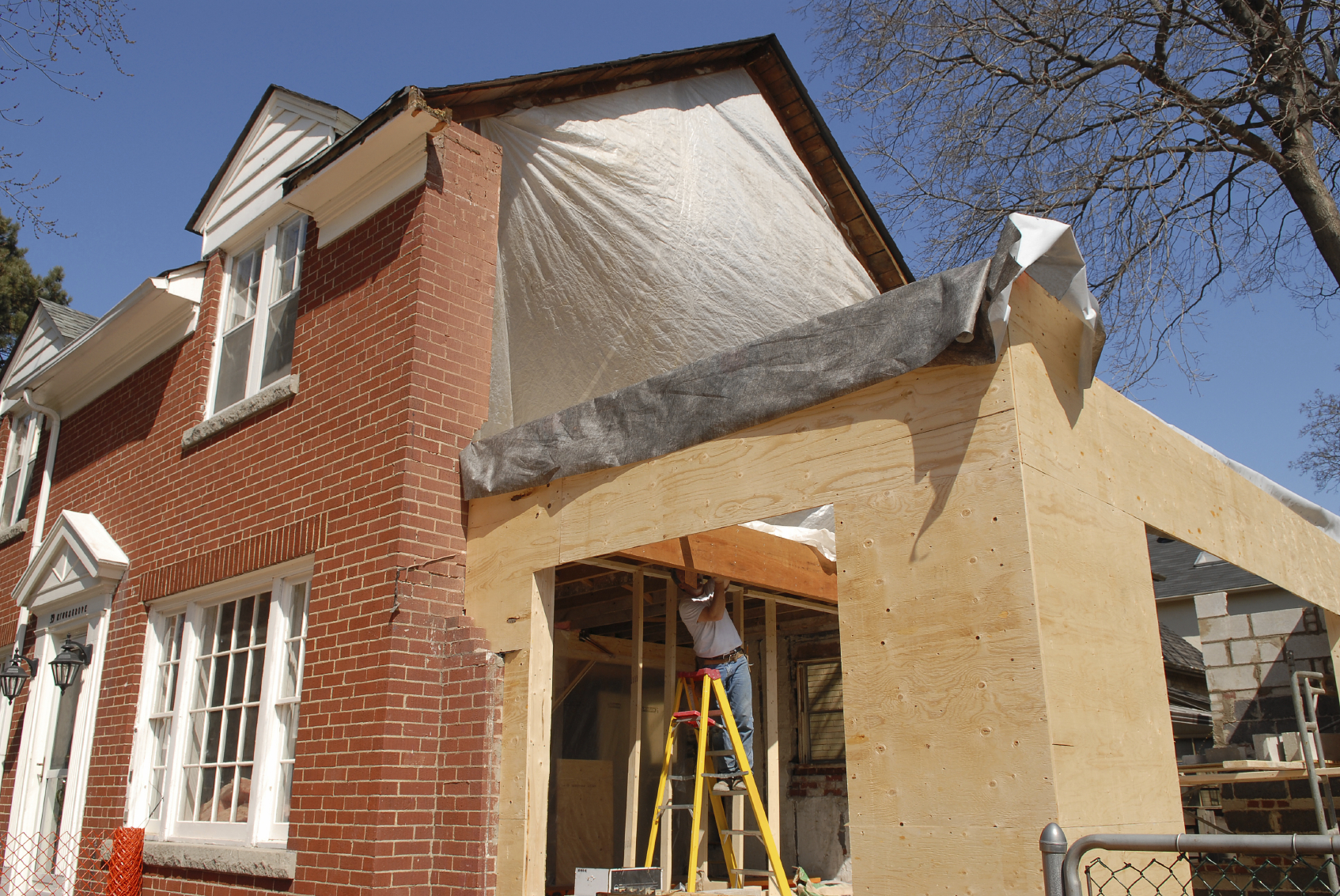
Residential rehab loans provide real estate investors with the capital needed to acquire and renovate distressed properties throughout Tampa and the surrounding Hillsborough County area. These specialized hard money loans are designed specifically for investors who see potential in properties that require significant improvements before they can generate rental income or be sold for profit.
Unlike traditional mortgages that focus primarily on the borrower's credit score and income, residential rehab loans from Tampa hard money lenders emphasize the after-repair value (ARV) of the property. This asset-based approach means investors can secure financing even when conventional banks decline their applications. The loan structure typically covers both the acquisition cost of the property and the renovation expenses, streamlining the entire investment process into a single funding solution.
For Tampa investors, residential rehab loans open doors to opportunities in neighborhoods experiencing revitalization. Areas like Seminole Heights, Hyde Park, and Ybor City have seen tremendous growth, with renovated properties commanding premium rents and resale values. Whether you're transforming a dated bungalow into a modern rental or upgrading a foreclosure for the retail market, these loans provide the speed and flexibility that traditional financing simply cannot match.
Applications and Use Cases for Residential Rehab Loans
Residential rehab loans serve a wide variety of investment strategies in the Tampa Bay market. Understanding how these loans apply to different scenarios helps investors maximize their opportunities and returns.
Complete Property Renovations
The most common application involves purchasing properties that require substantial work to become habitable or marketable. These projects might include updating electrical systems, replacing roofs, installing new HVAC units, renovating kitchens and bathrooms, or addressing structural issues. Hard money rehab loans provide the capital needed to transform these distressed assets into desirable homes that command top market rates.
Cosmetic Improvements and Modernization
Not every rehab project involves major construction. Many successful Tampa investors focus on properties needing cosmetic updates such as fresh paint, new flooring, updated fixtures, and landscaping improvements. These lighter rehab projects often yield impressive returns with shorter timelines, making them ideal for investors using hard money financing with 6-12 month terms.
Converting to Rental Properties
Many investors use residential rehab loans to acquire and renovate properties they intend to hold as long-term rentals. After completing the renovations, investors typically refinance into permanent financing using the new, higher property value. This BRRRR strategy (Buy, Rehab, Rent, Refinance, Repeat) has become increasingly popular in Tampa's strong rental market, where demand continues to outpace supply.
Multi-Family Property Rehabilitation
Residential rehab loans also apply to duplexes, triplexes, and four-plexes. These multi-family properties often provide higher rental income potential and can be excellent candidates for renovation. Improving common areas, updating individual units, and adding modern amenities can significantly increase both rental rates and property valuations in Tampa's competitive multi-family market.
Preparing for Sale
Investors focused on flipping properties rely on residential rehab loans to fund both the purchase and improvement phases. The goal is to complete renovations quickly and sell the property at a price that reflects its improved condition. Tampa's strong buyer demand and appreciating home values create favorable conditions for well-executed fix-and-flip projects.
Common Challenges and Solutions
Real estate investors in Tampa face several challenges when financing residential rehab projects. Understanding these obstacles and how hard money loans address them can help investors make informed decisions.
Traditional Bank Requirements
Conventional lenders typically require properties to be in move-in ready condition before approving financing. This creates a catch-22 situation for investors wanting to purchase distressed properties. Banks also emphasize borrower credit scores, debt-to-income ratios, and employment verification, requirements that can disqualify self-employed investors or those with recent credit challenges. Hard money residential rehab loans solve this by focusing on the property's potential rather than the borrower's financial history.
Speed of Acquisition
In Tampa's competitive real estate market, properties in desirable neighborhoods often receive multiple offers within days of listing. Sellers frequently prioritize cash buyers or those who can close quickly. Traditional mortgage approval processes taking 30-45 days can cause investors to lose deals. Residential rehab loans from hard money lenders can close in 7-14 days, giving investors a significant advantage when competing for properties.
Funding Renovation Costs
Many investors have capital for property acquisition but lack sufficient funds for comprehensive renovations. Using personal savings or credit cards for construction expenses creates unnecessary risk and limits the scale of projects investors can undertake. Residential rehab loans that include renovation funding allow investors to preserve their cash reserves while completing professional-quality improvements.
Managing Construction Draws
Coordinating renovation funding requires careful planning. Hard money lenders experienced with rehab loans provide structured draw schedules that release funds as work is completed. This system protects both the lender and borrower while ensuring contractors receive timely payments throughout the project.
Our Approach to Residential Rehab Lending
We understand that successful rehab projects require more than just capital, they need a lending partner who understands the Tampa market and supports investors throughout the process.
Market-Focused Underwriting
Our underwriting team evaluates each project based on Tampa-specific market conditions, comparable sales in the neighborhood, and realistic renovation costs. We work with local appraisers and contractors to ensure ARV estimates are accurate and achievable. This local expertise helps investors avoid over-improving properties or underestimating construction timelines.
Flexible Loan Structures
Every rehab project is unique, and our loan terms reflect that reality. We offer interest-only payment options during the renovation period, helping investors manage cash flow while properties are under construction. Loan terms ranging from 6-24 months accommodate projects of varying complexity, from cosmetic updates to complete gut renovations.
Streamlined Draw Process
Our draw management system makes accessing renovation funds simple and efficient. After each phase of work is completed and inspected, funds are released promptly to keep projects on schedule. This responsive approach helps investors maintain contractor relationships and complete renovations within budget and timeline expectations.
Partnership Beyond Funding
We view our relationship with investors as a long-term partnership. Our network provides guidance on project feasibility, Finances investors through reliable contractors when needed, and offers advice on market conditions affecting exit strategies. This collaborative approach helps investors build sustainable businesses using hard money financing.
Residential Rehab Loans in Tampa, FL
Tampa's diverse neighborhoods offer exceptional opportunities for residential rehabilitation projects. From historic homes in Hyde Park to mid-century properties in South Tampa, investors can find properties with strong upside potential. The city's growing population, strong job market, and desirable climate continue to drive housing demand, making renovated properties highly sought after by both buyers and renters.
Our lending team has extensive experience with Tampa's unique market dynamics, including zoning requirements, permit processes, and neighborhood-specific buyer preferences. Whether you're renovating a single-family home in Carrollwood or a multi-family property near USF, we understand the local factors that contribute to successful rehab investments.